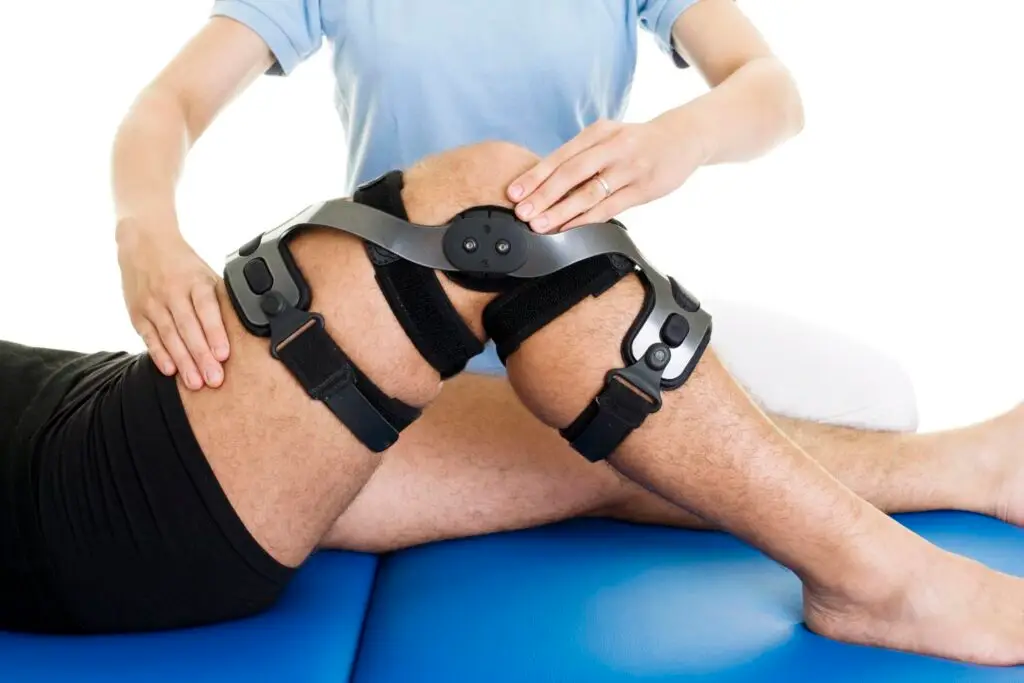
In the world of sports Injury physiotherapy and neuro physiotherapy, patients often face the frustration of stalled progress during recovery. Too frequently, the narrative becomes “the patient isn’t compliant” or “they’re not motivated enough.” But the reality is far more nuanced: patients don’t fail rehab; rigid rehabilitation models fail to adapt to individual needs.
The Problem with One-Size-Fits-All Rehabilitation
Traditional rehabilitation protocols often rely on standardized exercises and timelines designed for an “average” patient. While this approach simplifies treatment planning and documentation, it frequently overlooks the complexity of human recovery. Every patient’s body, neurological response, and lifestyle are different. For example, two patients with the same knee injury may respond very differently to identical exercise regimens due to variations in muscle strength, joint mobility, pain tolerance, and neuroplasticity.
This is especially true in neuro physiotherapy, where neurological conditions such as stroke, spinal cord injuries, or traumatic brain injuries require individualized movement therapy. Rigid rehab programs may ignore subtle signs of fatigue, motor learning differences, or cognitive limitations, leading to stalled progress and patient frustration.
Why Adaptability Matters in Functional Recovery
Functional recovery is about restoring meaningful movement and independence in daily life—not just completing exercises in a clinic. When rehabilitation fails to adapt, patients may regain strength in controlled environments but struggle with real-world tasks like climbing stairs, lifting groceries, or returning to work.
Adaptive rehab considers:
- Pain and fatigue levels – adjusting intensity based on real-time feedback.
- Neurological variability – recognizing that neuroplasticity differs among individuals.
- Motivation and engagement – modifying activities to match patient interests and goals.
- Environmental factors – practicing movements in settings that replicate daily challenges.
By ignoring these factors, rigid rehab models risk producing patients who technically complete their therapy but remain functionally limited.
The Role of Clinician Expertise
The human element in rehabilitation cannot be overstated. Clinicians trained in sports injury physiotherapy and neuro physiotherapy bring critical judgment and experience to the table. They recognize when standard protocols are insufficient and adapt treatment plans based on patient feedback, progress tracking, and functional outcomes.
Adaptive rehabilitation is not about abandoning guidelines but about applying them intelligently. For example, a patient recovering from a stroke may progress faster with task-specific training rather than only repetitive limb exercises. Similarly, modifying exercise sequences to accommodate pain or spasticity can prevent setbacks and accelerate recovery.
Evidence Supporting Individualized Approaches
Research increasingly supports adaptive rehabilitation. Studies in sports injury and neurological rehabilitation show that personalized therapy significantly improves outcomes for patients with chronic neurological conditions. Tailoring exercise intensity, frequency, and modality to the patient’s unique capabilities not only accelerates functional recovery but also improves adherence and motivation.
Moreover, patients who receive flexible, responsive rehab report higher satisfaction and are less likely to experience long-term disability. The emphasis shifts from simply completing a protocol to achieving measurable improvements in mobility, strength, and independence.
It’s time to shift the narrative in rehabilitation. Instead of blaming patients for slow progress, healthcare providers should evaluate whether therapy programs are responsive enough to individual needs. By embracing adaptive rehabilitation models, clinicians can help patients achieve meaningful functional outcomes while reducing frustration and improving long-term health.
- Individual variability in recovery requires personalized, flexible treatment plans.
- Patients don’t fail rehab; rigid rehab fails to adapt.
- Functional recovery, not mere adherence to protocols, should be the primary goal.
- Technology and clinician expertise are critical in creating responsive rehabilitation programs.
Technology and Adaptive Rehabilitation
Emerging technologies, including wearable sensors, tele-rehabilitation platforms, and AI-assisted movement analysis, are enabling physiotherapists to track patient progress more accurately and adjust protocols in real-time. This integration allows for a more dynamic approach to rehab, ensuring that exercises evolve with the patient’s changing needs.
Key Takeaways
- Individual variability in recovery requires personalized, flexible treatment plans.
- Patients don’t fail rehab; rigid rehab fails to adapt.
- Neuro physiotherapy and advanced sports physiotherapy techniques benefit most from adaptive approaches.
- Functional recovery, not mere adherence to protocols, should be the primary goal.
- Technology and clinician expertise are critical in creating responsive rehabilitation programs.
Moving Beyond the “Patient Failure” Narrative
In conclusion, the future of sports injury physiotherapy and neuro physiotherapy lies in adaptive, patient-centered care. By acknowledging the limitations of rigid recovery models and emphasizing individualized strategies, clinicians can help patients overcome barriers, achieve meaningful outcomes, and truly thrive in their recovery journey.